


There’s something a little too comfortable about the way conferences usually unfold. You check in. You sit down. You stay put. And for an audience made up of people whose entire careers revolve around movement, discovery, and the thrill of what’s just around the corner… it’s always felt a little off.
So this year, we’re doing something about it.
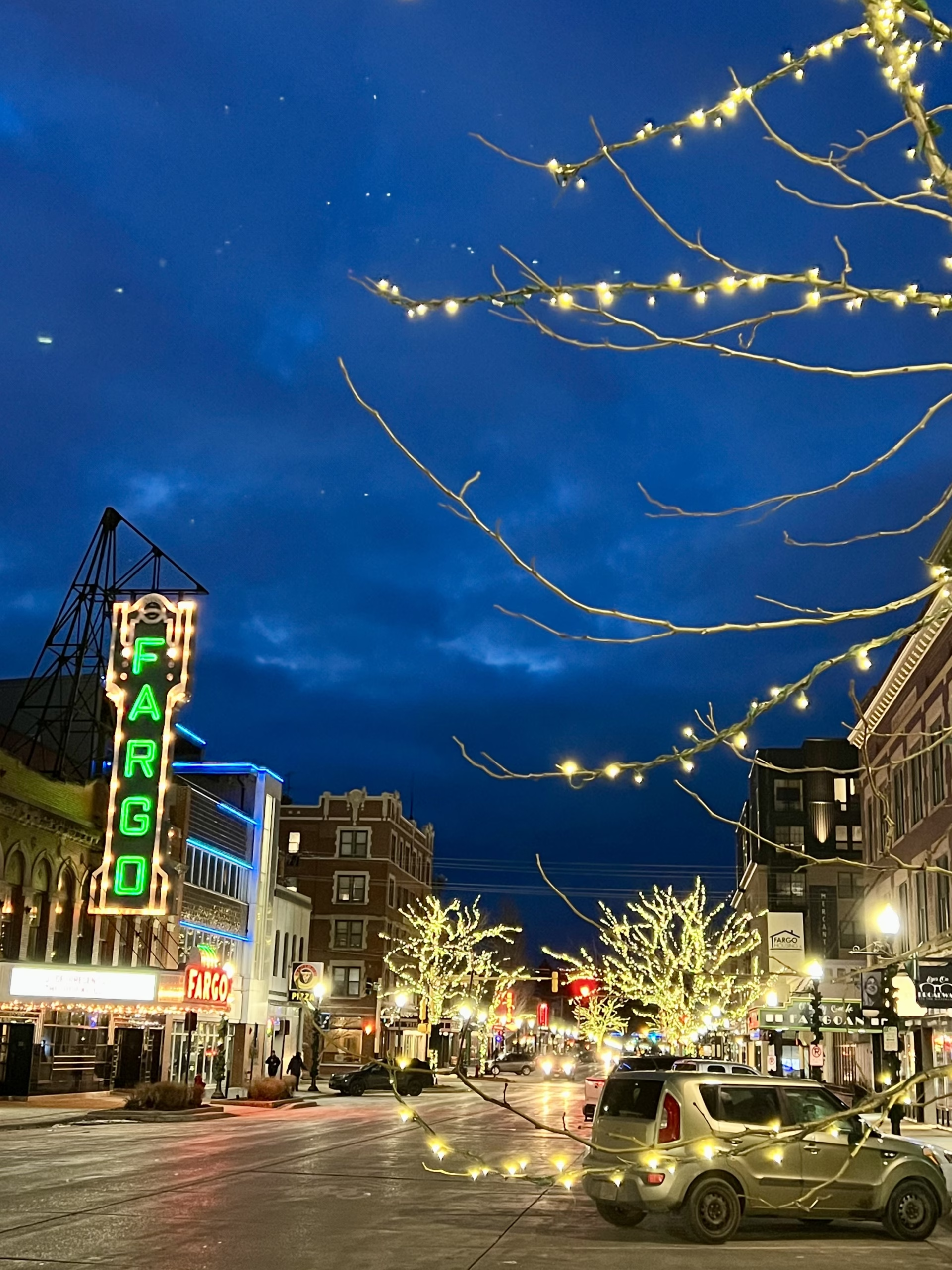
Introducing TBEX in Motion
Not as a gimmick. Not as a theme layered on top of a traditional format. But as a structural shift in how the experience unfolds… and how a destination gets to tell its story. Because this isn’t just about sessions. It’s about how you move through a place.
A Destination That Refuses to Sit Still
Let’s start with the setting.
Three communities. Two states. One shared experience.
That alone should tell you this isn’t going to behave like a typical host destination. You’re not just arriving somewhere… you’re navigating something layered, connected, and quietly surprising in all the right ways.
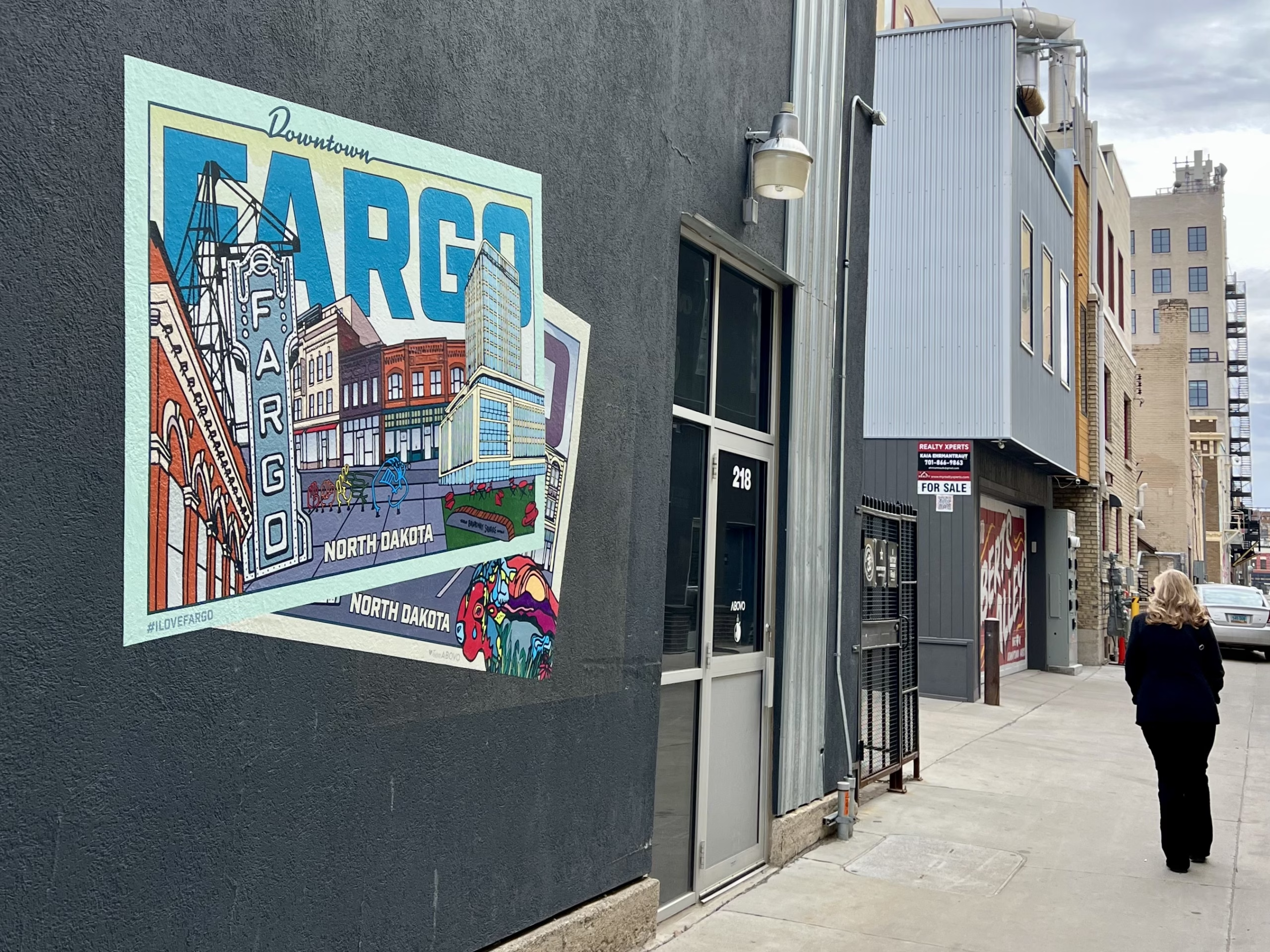
And yes, you can quite literally walk across a state line during the conference. Not metaphorically. Not as a storytelling device. Actually walk it.
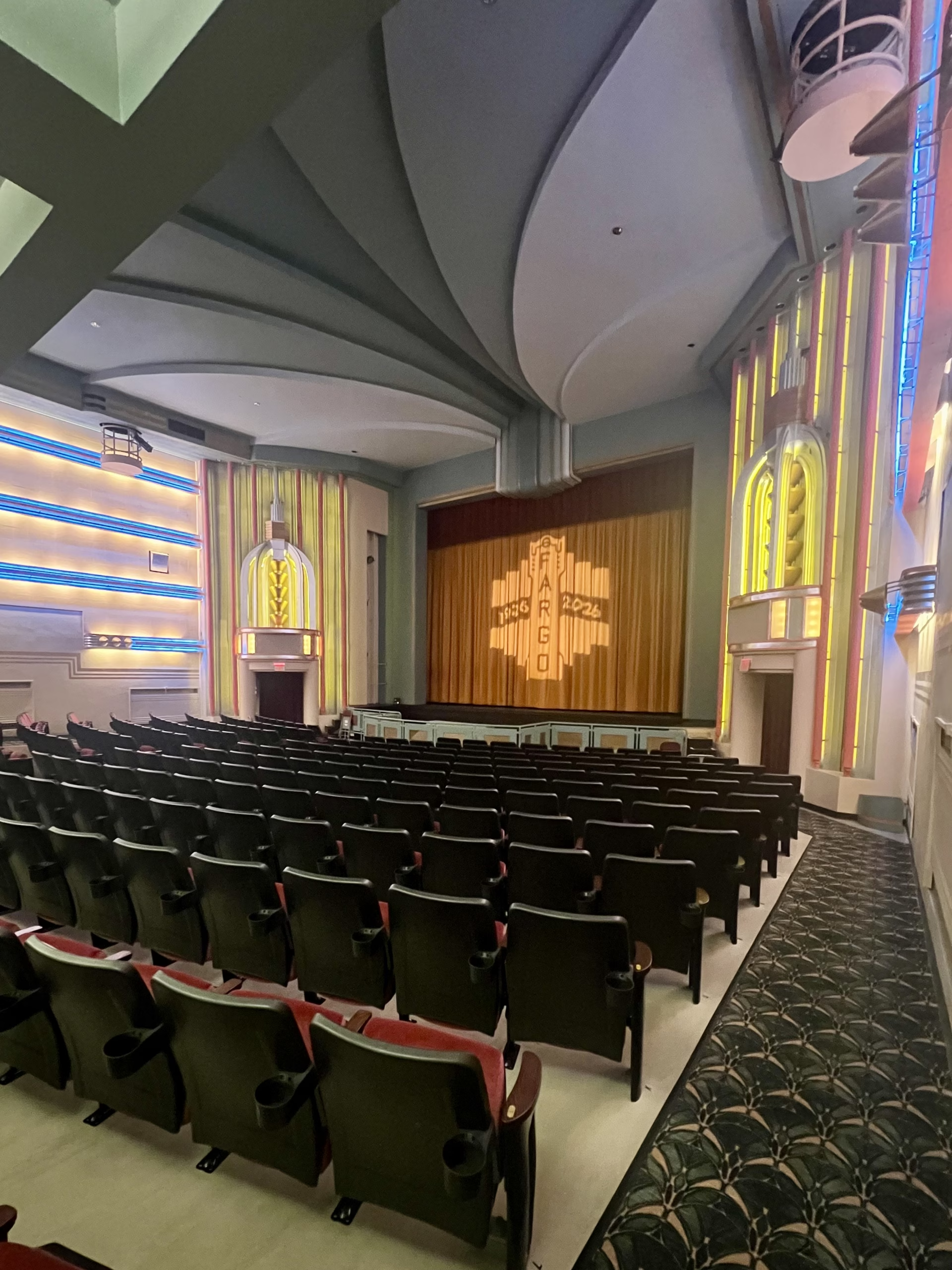
The Conference That Moves With You
Instead of anchoring everything in one building, we’re spreading the experience across two distinct, character-rich venues:
Sessions will live in both spaces… with an easy, intentional walk across the street connecting them. That walk matters more than you think.
It’s where conversations spill out of sessions. Where ideas get tested mid-sidewalk. Where you start to feel the destination instead of just hearing about it.
This isn’t downtime. It’s connective tissue.
Built-In Discovery (Without Trying Too Hard)
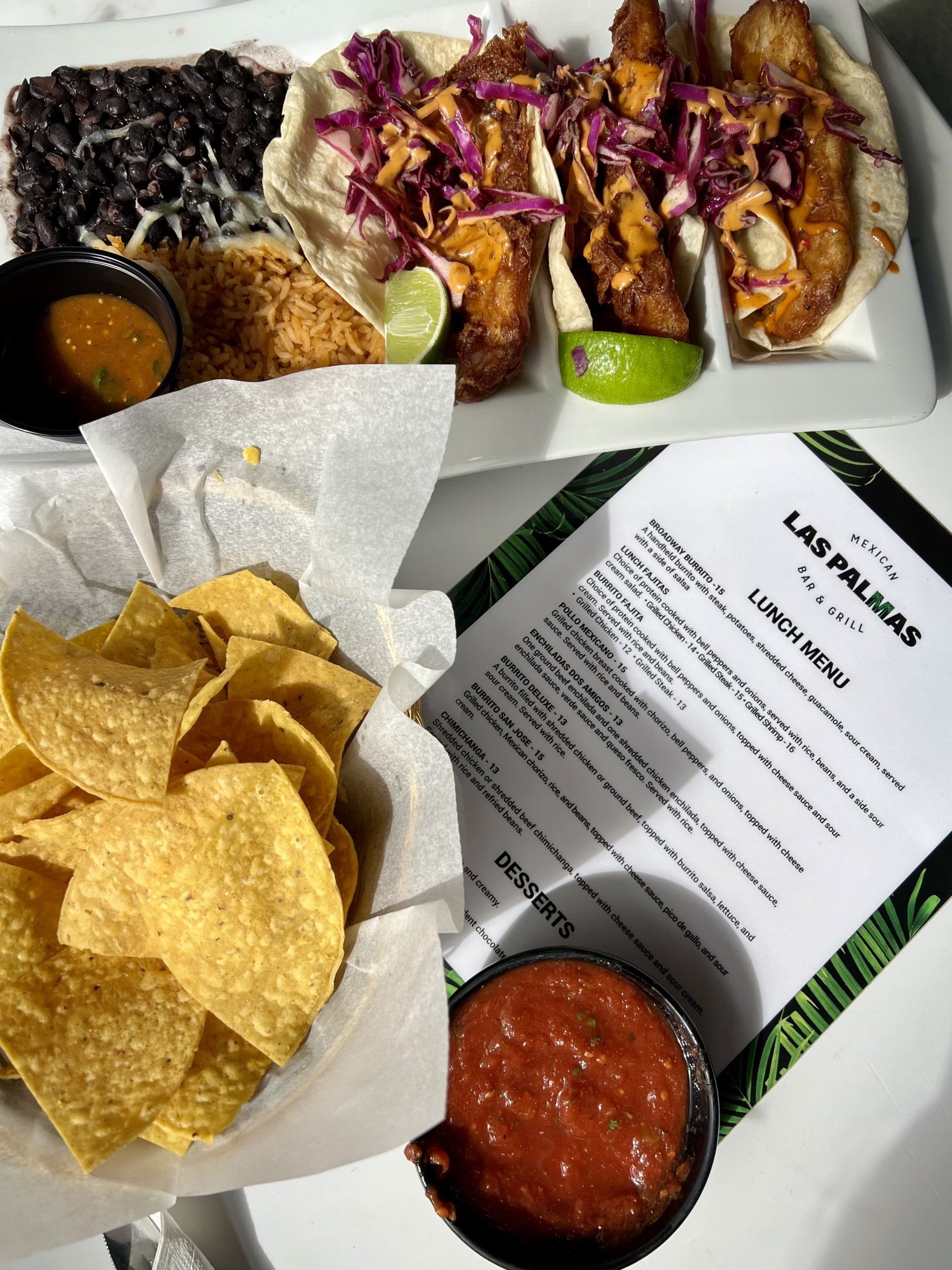
We’ve designed the flow so that exploration isn’t an extra… it’s inevitable. Day one lunch? A short walk to
Day two? You choose your own experience from four locally loved restaurants, all within walking distance. No buses. No over-orchestration (just a little pre-sign up. No “line up and follow the flag.” Just you, your curiosity, and a destination that’s compact enough to explore but interesting enough to reward it.
And then there’s the small stuff… the kind that usually gets overlooked but ends up shaping your experience more than anything else.
Let’s say you want to grab a coffee on your way to the morning keynote. Not a rushed hotel lobby cup, but something you choose. Step outside the host hotel and you’ve got six different options within sight of the front door. Six. Each with its own vibe, its own pace, its own way of easing you into the day.
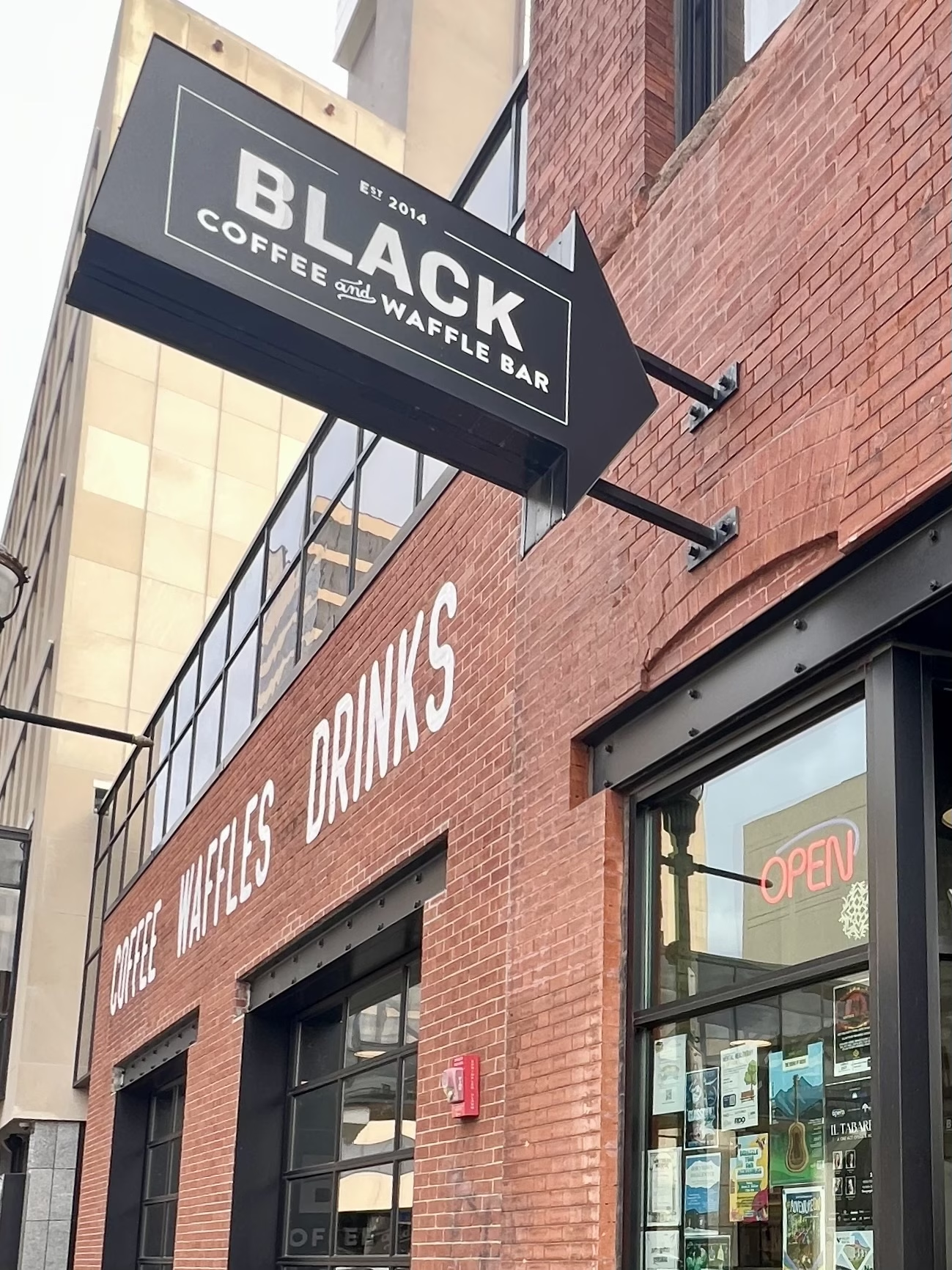
No planning required. No agenda adjustment. Just a simple decision that already has you moving through the destination before the conference even officially begins.
And Then… We Go Further
Of course, this is still TBEX. So beyond the walkable core, you’ll have:
- Pre-BEX tours that start the storytelling before the conference even begins
- Evening events that bring the energy without pulling you out of place
- Post-FAMs that stretch the experience into something deeper, more immersive, and more usable for your content
But here’s the difference this time… By the time you get on FAM those tours, you’ve already experienced the destination in motion. You’re not starting from zero.
Why This Actually Matters
It would be easy to position this as “fun” or “different.” But there’s something more strategic happening here that I think a lot of destinations should be paying attention to. This format quietly demonstrates:
- How walkability becomes a storytelling tool
- How proximity can replace programming
- How movement creates memory in a way static experiences just don’t
And maybe most importantly… How a destination can trust itself enough to let people move through it naturally.
So… TBEX in Motion?
Maybe the name sticks. Maybe it evolves. But the idea behind it? That’s the real shift.
This is a conference that doesn’t ask you to sit still in a room and imagine a place. It invites you to experience it… one step at a time. And if we’ve done this right, you won’t just leave with content. You’ll leave with a sense of how movement itself can be part of the story you tell next.



Add your first comment to this post